Social Skills Training in Draper, UT
Social skills training in Draper, UT helps kids across southern Salt Lake County join in and make friends. Groups of up to 5 same-age kids meet for 2 hours. Most kids start one-on-one first.
- Who it’s forToddlers through teens
- InsuranceUtah Medicaid and major plans
- WhereDraper and nearby towns
- Wait timeNo waitlist
 No waitlist
What social skills training is
Social skills training takes a social moment and breaks it into steps a child can learn. The therapist shows the skill, your child rehearses it, and then your child tries it with peers while an adult is close by. Goals change with age: sharing and joining play for a preschooler, conversation, reading faces and handling disagreements for a teen. Insurance usually covers it as part of an ABA treatment plan.
Start social skills training in Draper
No waitlist. Most families start within 2 weeks of insurance approval.
Request a Start DateWe check your benefits for free. Takes a couple of minutes.
Utah Medicaid and all major insurance plans accepted
Social skills groups for southern Salt Lake County families
Our social skills program is based in Draper and serves families across the south end of Salt Lake County: Draper, Sandy, South Jordan, Riverton and Bluffdale, plus Lehi just over the Point of the Mountain in Utah County. If you have been looking for social skills classes in Salt Lake City and live in one of these towns, you can get the same help without the drive north.
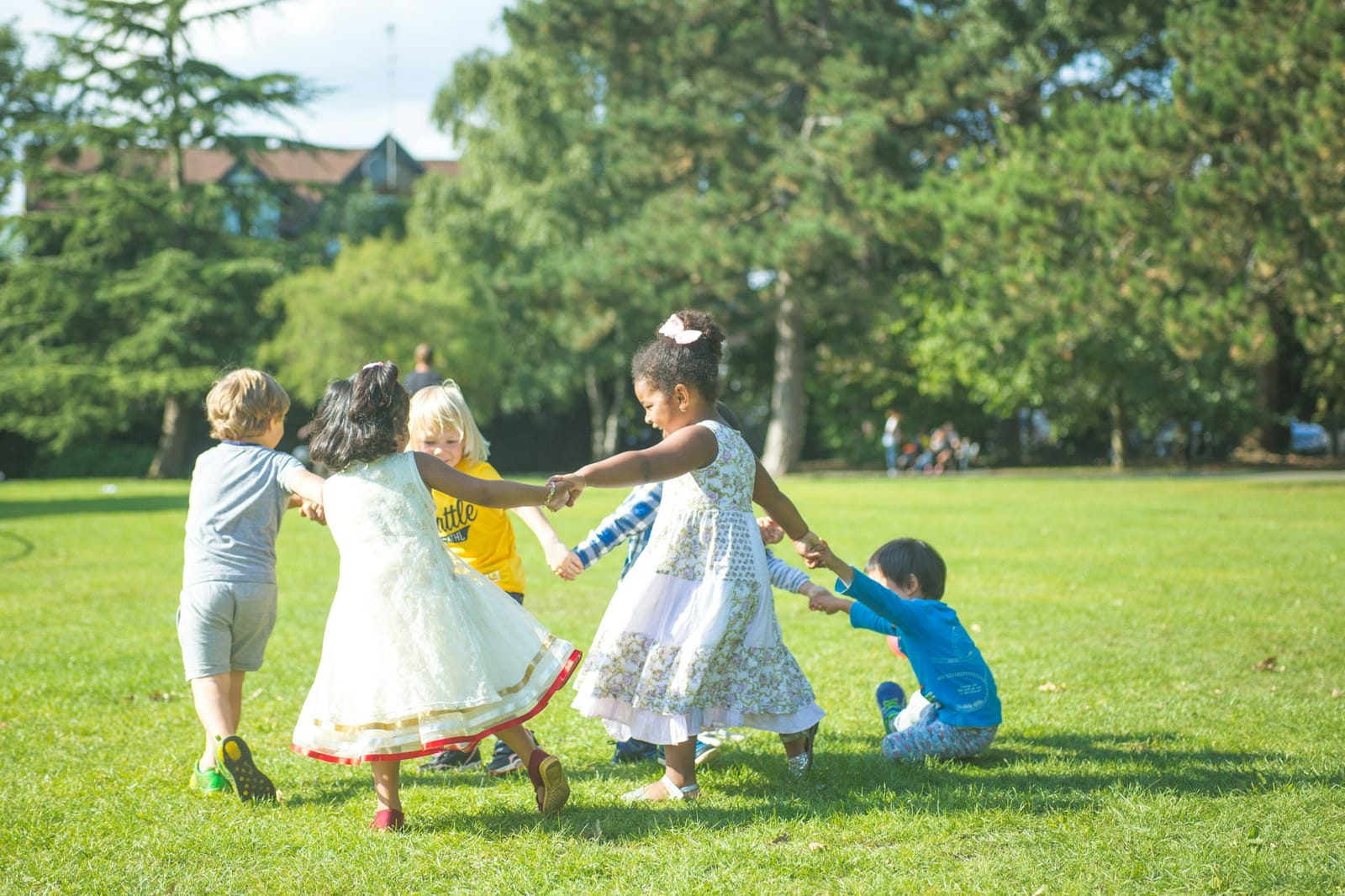
Most kids start one-on-one, where the therapist can slow a skill down and practice it until it feels easy. Once your child is ready, they join a social skills group to use it with other kids. Groups are sorted by age and never have more than 5 kids, and each session is 2 hours. Practice also happens where friendships actually form: at a park or library near home, and at recess when your Canyons or Jordan district school approves an outside therapist.
| Group | Ages | Group size | Session length |
|---|---|---|---|
| Toddlers | 1–3 | Up to 5 kids | 2 hours |
| Preschool and kindergarten | 4–6 | Up to 5 kids | 2 hours |
| Grade school | 7–10 | Up to 5 kids | 2 hours |
| Preteens | 11–14 | Up to 5 kids | 2 hours |
| Teens | 14–18 | Up to 5 kids | 2 hours |
Inside a social skills training session
- 1
Learn one skill
The therapist explains and models something specific, like asking to join a game or waiting for a pause to talk.
- 2
Rehearse
Your child practices with the therapist and gets clear, kind feedback.
- 3
Try it with peers
In a small group or at recess, your child uses the skill with other kids while an adult stays near.
- 4
Take it home
You get ideas for playdates, neighborhood activities or family events where your child can practice again.
Why families choose ABA Therapy Draper for Social Skills Training
No waitlist
There is no list to wait on. Most families begin within 2 weeks of insurance approval.
Utah Medicaid and major plans
We take Utah Medicaid and all major insurance plans, and we check your benefits for free before anything is scheduled.
BCBA-written plans
Every plan is written by a Board Certified Behavior Analyst. Our RBTs are certified, background-checked and CPR-trained.
Data you can see
Technicians record progress each session, and your BCBA reviews it with you and changes goals that are not moving.
Parents in the loop
Caregiver coaching is part of every plan, so you know what to do on the days between sessions.
After school and weekends
Sessions after school, in the evening and on weekends, so therapy fits around class and work.
Home, clinic, school or town
Your child can practice where the skills are needed, and many families mix two or more settings.
Toddlers through age 21
We work with toddlers, school-age kids, teens and young adults up to 21.
Diagnosis help
Still waiting on an evaluation? We help you find a referral and explain what you can do in the meantime.
- Real reviews from local families
- 6 years serving Draper families
- Locally owned and run
Who benefits from social skills training
- Children who want friends but do not know how to start
- Kids who find sharing, losing or back-and-forth talk hard
- Children moving to a new school or class
- Teens working on friendships and independence
Social skills we teach
- Starting and keeping a conversation going
- Sharing, turn-taking and losing a game
- Reading faces, tone of voice and body language
- Joining a game that already started
Steps for Social Skills Training with us
- 1
Find the sticking points
We ask where social moments go wrong: at recess, at home, at church or with cousins.
- 2
Model and rehearse
Your child sees the skill modeled, then practices it in role-play with feedback.
- 3
Practice with peers
When ready, your child practices in a small, structured group.
- 4
Use it for real
Your child tries the skill at recess, on playdates and at family events, with an adult nearby.
Randomized trials of UCLA’s PEERS program, a structured social skills course that includes parents, found that teens improved their social knowledge and got together with friends more often.
Social Skills Training in Draper: local things to know
Adaptive programs in Salt Lake County
County adaptive recreation includes sports and social activities built for people with disabilities. Group programs are a low-pressure place to practice waiting, sharing and joining in.
Social skills groups at the U
University of Utah Health’s Autism Spectrum Disorder Clinic lists social skills groups among its services, alongside autism assessment.
Source: University of Utah Health, ASD Clinic & Neurobehavior HOME
Questions parents ask about ABA
Is 6 years old too late for ABA therapy?
Six years old is not too late for ABA therapy.
Read the answer ABA therapy FAQDo kids with ADHD qualify for ABA?
Kids with ADHD can benefit from ABA methods, but qualifying for insurance-covered ABA usually depends on an autism diagnosis.
Read the answer ABA therapy FAQCan you say no in ABA therapy?
Yes, you can say no in ABA therapy, and a good program treats a child’s no as communication.
Read the answerWhere we offer social skills training
Social Skills Training is available to families in Draper and the towns around it.
Social Skills Training FAQs
Who is social skills training for?
Children and teens with autism who want help getting along with peers, from toddlers learning to play next to other kids to teens working on friendships.
Is it one-on-one or in a group?
Both. Many kids start one-on-one and join a small group when they are ready, with no more than 5 kids their age.
How big are the social skills groups?
No more than 5 kids in a group. Groups are set by age, so your child practices with kids at the same stage. The age groups are 1–3, 4–6, 7–10, 11–14 and 14–18.
How long is a social skills group session?
Each group session is 2 hours long. Ask us which times your child’s age group meets when you book.
Does insurance cover it?
Usually, when it is part of your child’s ABA treatment plan. We check your benefits first.
Where can I get social skills training around Draper?
We offer social skills training in Draper, Sandy, South Jordan, Riverton, Bluffdale and Lehi.
Is there a waitlist for social skills training?
No. Social Skills Training has no waitlist in the Draper area. Most families begin within 2 weeks of insurance approval.
How do we get started?
Send the short request form. We look up your insurance benefits at no cost, book your child’s assessment and write the plan with you. If your child has no diagnosis yet, we help you find a referral for an evaluation.
Do you offer evening or weekend sessions?
Yes. Sessions are available after school, in the evening and on weekends, so therapy can fit around school and work.
What insurance do you accept?
Utah Medicaid and all major insurance plans accepted, including Utah Medicaid, Utah CHIP, SelectHealth, Regence BlueCross BlueShield of Utah, University of Utah Health Plans, PEHP, Aetna, Cigna, UnitedHealthcare, TRICARE. Utah Medicaid covers ABA for eligible members with an autism diagnosis, and Utah law requires individual and large-group health plans to cover it without an age limit or an hours cap. We check your benefits before the first session.
Is social skills training right for your child?
A good match if
- Your child wants friends but struggles to join in.
- Recess and playdates often end in conflict or alone time.
- Your child is ready to practice with a few peers.
Keep in mind
- Some kids need one-on-one practice before a group makes sense.
- Skills stick only when they are used outside sessions.
- Group times are set, so they are less flexible than one-on-one visits.
- Insurance usually pays for it only as part of an ABA treatment plan.
Want to start ABA in Draper?
Tell us a little about your child. We check your insurance, explain your costs and offer a start date, usually within 2 weeks of approval.